
BLOGS
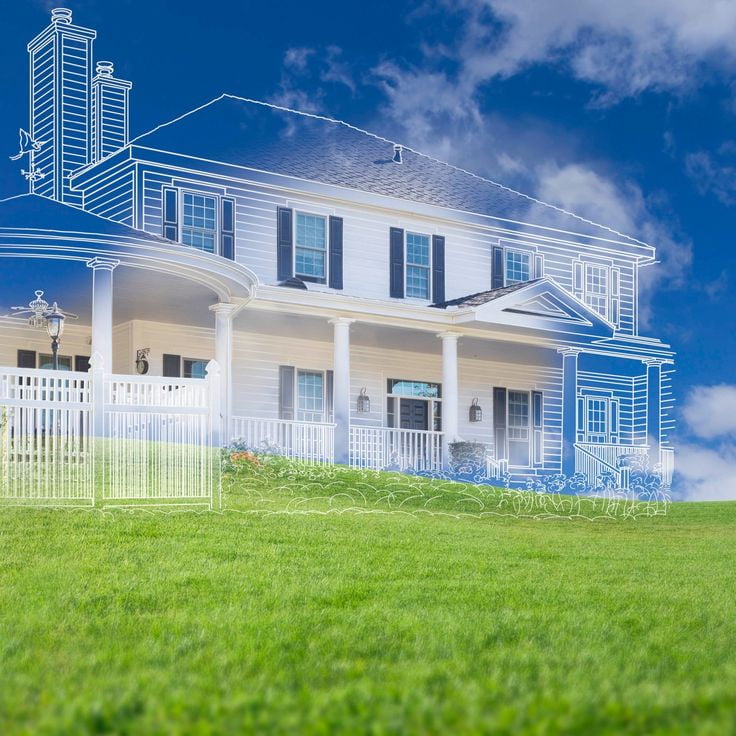
1. Building Your Dream Home: A Step-by-Step Guide
Building your dream home is one of life’s most exciting journeys, but it requires careful planning and the right approach. The process begins with defining your vision—understanding your lifestyle, preferences, and budget. Next comes design and planning, where architects and engineers turn ideas into blueprints while ensuring structural safety and efficiency. Choosing the right materials and contractors is vital to guarantee durability and quality.
During construction, each stage—foundation, structure, interiors, and finishing—must be closely monitored for precision. Smart integration of plumbing, electrical, and sustainable features adds long-term value. Finally, the finishing touches like flooring, paint, and décor bring your vision to life.
With the right team and planning, building a home becomes a smooth, rewarding experience. It’s not just about creating a house—it’s about crafting a space that reflects your dreams, values, and future.
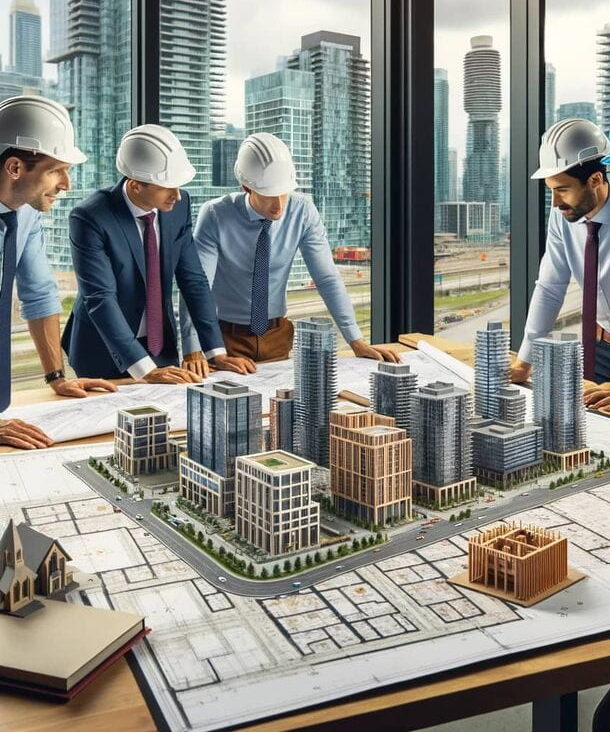
2. Powering Construction: The Importance of Electrical Services in Modern Buildings
Electrical systems are the backbone of every modern building, powering everything from lighting and appliances to security and communication networks. In construction, reliable electrical services are essential to ensure safety, functionality, and efficiency.
From initial planning to installation, electrical work must comply with strict safety standards to prevent hazards such as short circuits, fires, or electrocution. Skilled electricians design systems that not only meet current needs but also allow for future upgrades, including smart technology and automation.
Modern construction increasingly emphasizes energy efficiency and sustainable solutions, such as LED lighting, solar integration, and smart meters, which reduce costs and environmental impact.
Ultimately, electrical services are not just about wiring—they are about creating safe, efficient, and future-ready buildings. Investing in professional electrical systems enhances both the performance and longevity of any construction project.
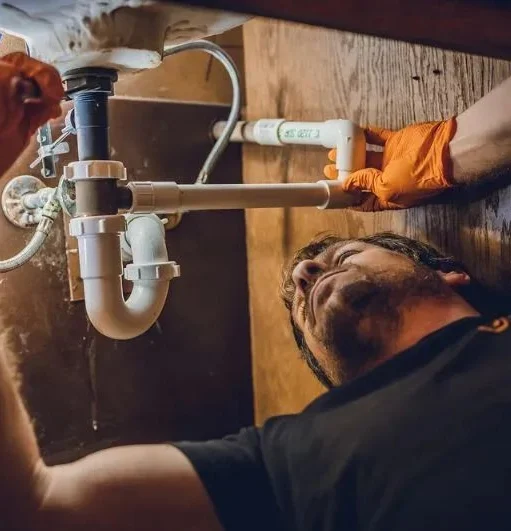
3. Building Strong Foundations: The Role of Plumbing in Construction
Plumbing is a critical component of any construction project, forming the backbone of a safe and functional building. Beyond just pipes and taps, it ensures the reliable supply of clean water, efficient drainage, and proper waste management.
Quality plumbing systems enhance hygiene, prevent water damage, and support sustainable living through features like rainwater harvesting and greywater recycling. Choosing durable materials and skilled professionals is essential to minimize leaks, maintenance issues, and long-term costs.
In modern construction, plumbing also integrates with smart technologies, enabling automated water control, leak detection, and energy-efficient systems. Proper planning and execution ensure that homes, offices, and commercial spaces remain functional, safe, and comfortable for years to come.
Investing in professional plumbing is not just about convenience—it’s about building strong foundations that protect both the structure and its occupants.
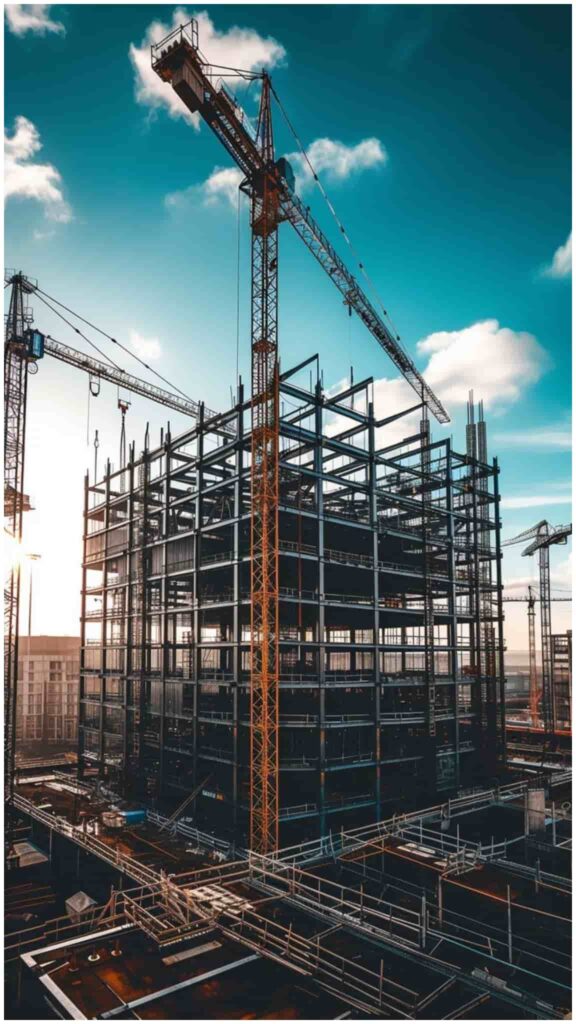
4. Designing for Durability: The Role of Quality Materials in Construction
Durability is at the heart of every successful construction project, and the key to achieving it lies in quality materials. From the foundation to the finishing touches, the choice of cement, steel, bricks, and finishes determines a building’s strength, safety, and longevity.
Using high-quality materials ensures structures can withstand daily wear, weather conditions, and natural forces, while reducing maintenance costs over time. Durable materials also enhance safety by minimizing risks like cracks, leaks, or structural failures.
Modern construction increasingly emphasizes sustainability, with eco-friendly materials such as recycled steel, energy-efficient insulation, and low-VOC paints becoming standard. These materials not only improve performance but also reduce environmental impact.
Investing in quality materials is an investment in long-lasting, safe, and sustainable buildings, creating spaces that stand the test of time while offering comfort and value to occupants.
5. The Future of Construction: Trends Shaping Modern Infrastructure
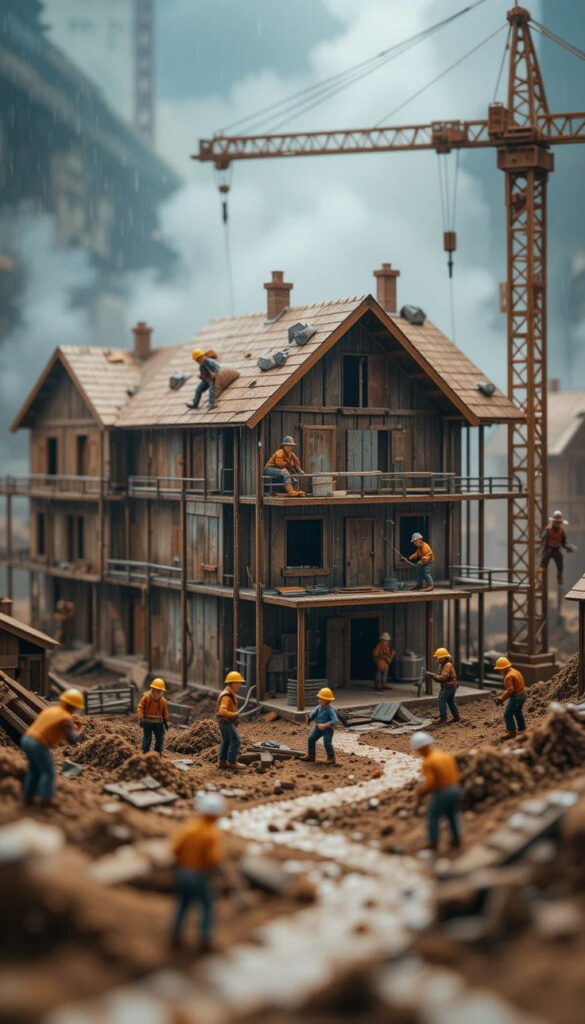
The construction industry is evolving rapidly, driven by technology, sustainability, and innovation. Modern infrastructure is no longer just about buildings—it’s about creating smart, efficient, and resilient spaces that improve the way we live and work.
Digital tools like Building Information Modeling (BIM), drones, and AI are transforming project planning and execution, reducing errors and improving efficiency. Sustainable construction practices, including green materials, energy-efficient systems, and water-saving solutions, are becoming essential to reduce environmental impact.
Modular construction, 3D printing, and robotics are speeding up projects while maintaining quality and precision. Additionally, smart cities and connected infrastructure are shaping communities where technology and urban planning work hand in hand.
The future of construction is about more than structures; it’s about building spaces that are safe, sustainable, and ready for tomorrow, blending innovation with long-lasting value for communities.
6. Smart Homes, Smarter Living: The Rise of Technology in Construction
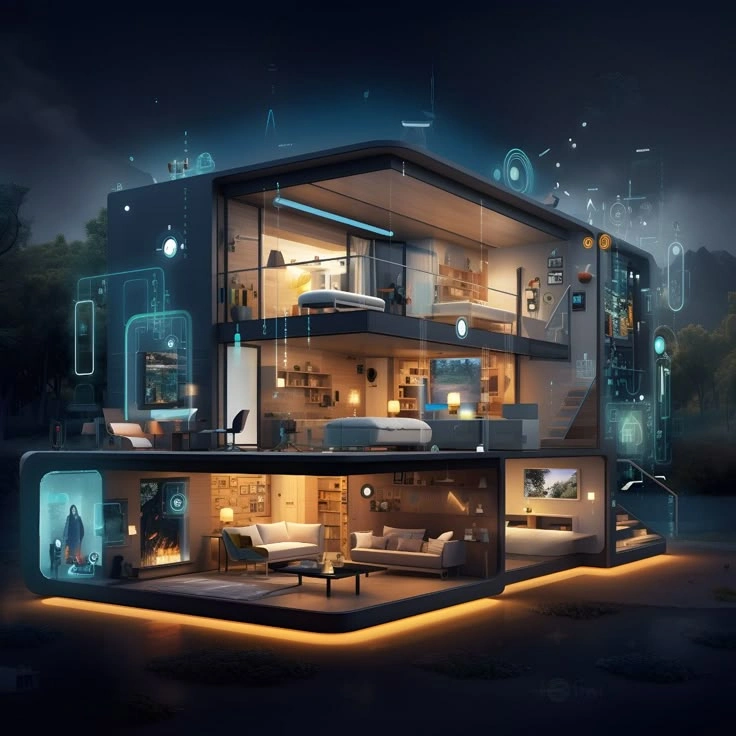
The way we live is changing, and so is the way we build. Today’s homes are no longer just about walls and roofs—they’re about intelligent living spaces designed for comfort, convenience, and efficiency. Smart homes bring together technology and construction, allowing homeowners to control lighting, security, energy, and appliances at the touch of a button or even through voice commands.
Builders are now integrating smart systems during construction itself, from energy-efficient wiring to automated climate control and advanced security features. These upgrades not only make daily life easier but also help reduce energy costs and support sustainable living.
Smart homes are the future of modern construction—spaces that adapt to your lifestyle while keeping you safe, connected, and comfortable. They’re not just homes; they’re a smarter way of living.